Introduction: why niche ccTLD data matters in a world of broad-domain dashboards
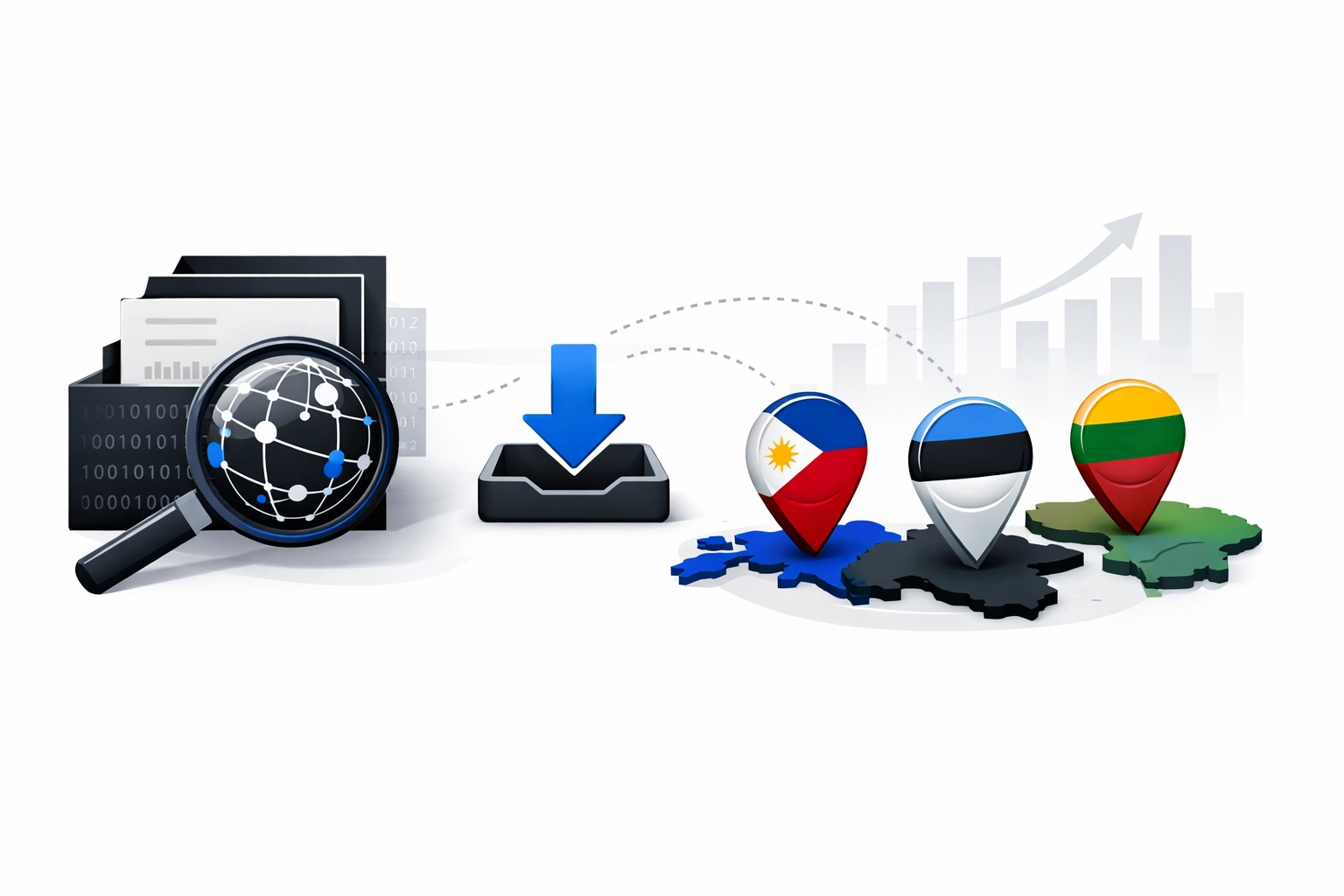
Global brands face a paradox: the internet is vast, but opportunities and risks often hinge on local domains that sit just outside the radar of standard enterprise dashboards. Country-code top-level domains (ccTLDs) like .ph (Philippines), .ee (Estonia), and .lt (Lithuania) carry local signals—consumer trust, regulatory nuance, and regional competition—that generic lists rarely capture in a meaningful way. A practical way to illuminate these signals is to work with downloadable zone data and domain inventories. When used carefully, downloadable ccTLD lists can inform localization strategy, brand protection priorities, and partner selection for regional campaigns. But zone data is not a silver bullet: it’s a snapshot that must be interpreted through data provenance, governance, and context. In this article, we outline a rigorous workflow for turning downloadable ccTLD lists into actionable regional insights, with concrete guidance for .ph, .ee, and .lt data.
Why downloadable ccTLD lists are worth the effort for niche markets
Direct access to ccTLD inventories—whether via zone files, AXFR feeds, or vendor-provided datasets—offers three core advantages for brand strategy and market entry teams:
- Visibility into local naming patterns: A ccTLD inventory reveals how locals brand themselves in a given market, including common word combos, transliterations, and regionally relevant terms. This helps with localization naming tests, local domain risk scoring, and competitive benchmarking.
- Early signals of impersonation risk: Impersonation and typosquatting often ride on locally popular terms and languages. A downloaded list can surface clusters of lookalike domains that an automated monitoring program should flag for quicker preemptive protection.
- Data-driven prioritization for regional campaigns: Instead of chasing every domain idea, teams can prioritize territories based on actual registrations, growth rates, and brand-coverage gaps revealed by the data. This reduces waste and sharpens local-market investments.
For practitioners, this workflow begins with where to get data and ends with how to turn a raw inventory into a localization and protection playbook. The data sources differ by registry and by TLD, with some ccTLDs providing public zone data while others limit access. Below is a pragmatic view of the landscape for .ph, .ee, and .lt, plus a blueprint for how to apply the data in real-world decisions.
Data sources and what they can realistically deliver
The way ccTLD data is published varies by registry. Here are credible, practical sources and what you can expect from them for each of the three TLDs discussed:
- .ph (Philippines): The official registry for .ph is dotPH, which describes itself as the official domain registry for the Philippines. Registry information and compliance details are published by dotPH, and you can learn about local registration practices on their site. Access to complete zone data for .ph is typically governed by the registry and regional cooperation channels; for broad access, organizations often leverage ICANN’s CZDS framework or registry-provided datasets when available. See dotPH’s official registry pages for context and policy notes.
- .ee (Estonia): The Estonian Internet Foundation publishes a public zone-file-friendly interface for .ee and explicitly notes that the zone file data is public in nature and downloadable via AXFR from zone.internet.ee. This makes .ee one of the more accessible ccTLD inventories for researchers and brand teams seeking to compare local naming patterns against a live set of domains.
- .lt (Lithuania): The .lt registry (DOMREG/LT) governs registrations and provides domain registration guidance and related policy documents. While lt zone-file access is more restricted than .ee in some contexts, the registry maintains a governance framework for registrations and public WHOIS data where appropriate. For policy and registration details, see the DOMREG.lt domain registration guide.
Key official sources include the IANA Root Zone Database for TLD delegations and registry ownership context, which remains a critical reference point for understanding how ccTLDs fit within the global DNS ecosystem. See IANA’s Root Zone Database for delegations, including country-code TLD entries like .ph, .ee, and .lt. (iana.org)
A practical workflow: from download to localization strategy
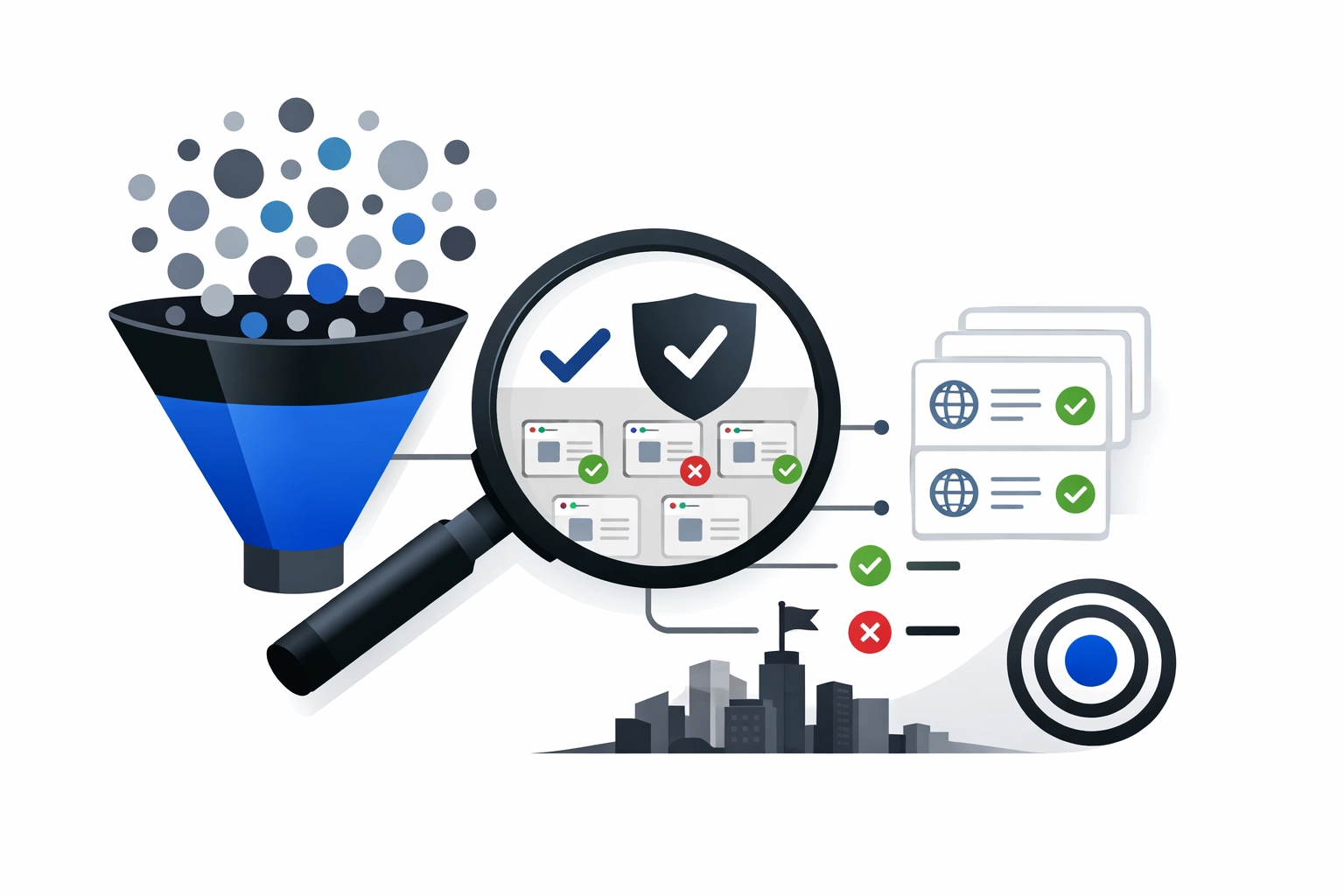
The following workflow translates downloadable ccTLD data into three concrete outcomes: localization insights, brand-risk awareness, and a clear governance path for portfolio management. It assumes you’ll source data from a mix of registry pages, zone-file portals, and trusted data partners (including vendor datasets that compile zone data with provenance).
- Step 1 — Define objectives
- Decide which markets to optimize for in the next 12–24 months (e.g., Philippines, Estonia, Lithuania).
- Prioritize what you’ll measure: local brand name coverage, translation consistency, or risk signals from lookalike domains.
- Step 2 — Source and verify data provenance
- Identify data sources with clear provenance: official registry pages (e.g., dotPH, zone.internet.ee, DOMREG.lt), CZDS for cross-TLD zone access, and vendor datasets that publish zone data with explicit versioning and date stamps.
- Track the data’s last update date and access method to avoid stale or incomplete inventories.
- Respect privacy and governance constraints; use RDAP/WHOIS data where allowed, and be mindful of privacy-protected records.
- Step 3 — Clean, normalize, and enrich
- Normalize domain names to a consistent case and strip unnecessary prefixes/suffixes for analysis (e.g., converting a mix of domain variants to canonical forms).
- Deduplicate registrations that represent the same brand across multiple ccTLDs; map variants to your internal brand taxonomy.
- Enrich with context: registrar, registration date, and DNS configuration when available. The enrichment layer helps distinguish temporary campaigns from persistent brand signals.
- Step 4 — risk scoring and localization signals
- Develop a risk-scoring matrix that weighs impersonation potential (lookalikes, transliterations), linguistic relevance, and proximity to your core markets.
- Identify gaps in local coverage where your brand should consider protective registrations or localized campaigns.
- Step 5 — governance and actionability
- Create a lightweight governance plan: who owns ccTLD risk, who approves protective registrations, and how often the inventory is refreshed.
- Translate data insights into concrete actions: localization tweaks, protection registrations, and partner onboarding criteria for regional campaigns.
- Step 6 — monitor and iterate
- Schedule regular refreshes (monthly or quarterly, depending on market velocity) and adjust risk weights as local regulations and consumer behavior evolve.
- Incorporate feedback from regional teams to refine the data model and ensure it remains aligned with on-the-ground realities.
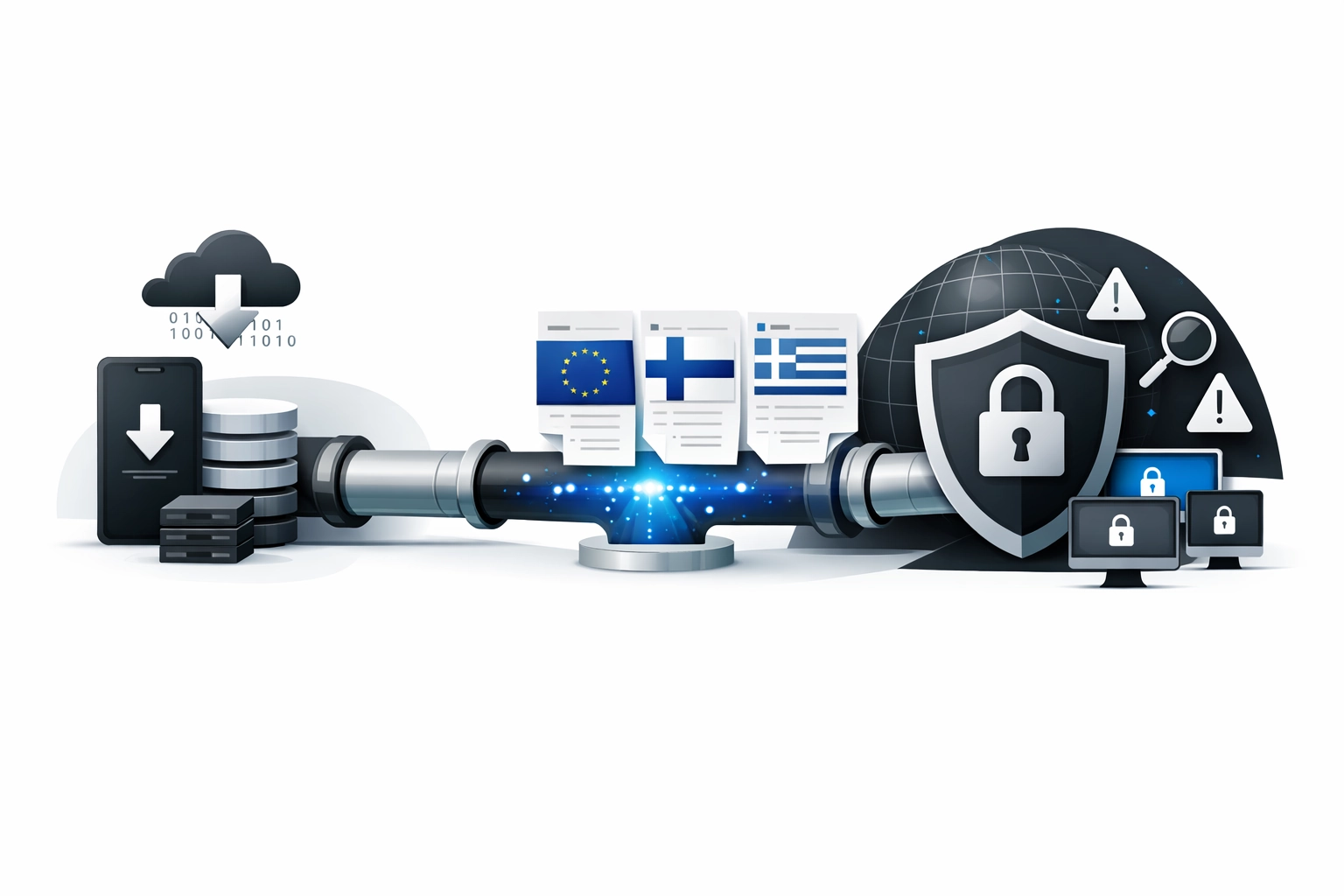
In practice, this workflow enables teams to move from raw inventories to decision-ready insights. A key enabler is understanding how to access zone data, how often it is updated, and what the data can and cannot reveal about registered domains in a given ccTLD. For example, .ee zone data is explicitly described as public in nature and downloadable via AXFR from the zone file, which supports consistent offline analyses. (internet.ee)
Deep dives: what the data looks like for .ph, .ee, and .lt
Below are practical takeaways for each of the three TLDs, framed around how a brand and localization team could use downloadable lists to inform strategy. Each section ends with a concrete tip for procurement, governance, and risk management.
.ph: navigating registry access and practical use
The Philippines’ official registry for .ph is dotPH. While dotPH’s public-facing materials emphasize registry governance and domain registration specifics, broad access to a complete zone file is typically governed by registry policies and associated data-sharing frameworks. For teams seeking to align with regulatory expectations and local market relevance, the following approach is practical:
- Consult the dotPH registry for official policy context and any published zone-file access guidance. See dotPH’s “Official Domain Registry of the Philippines” pages for background and policy links.
- Use ICANN’s Centralized Zone Data Service (CZDS) when available to request access to zone files for .ph or related TLDs, ensuring you meet eligibility and contractual terms. CZDS is a common pathway to panel-based zone data across registries. (czds.icann.org)
- If access to zone data is constrained, rely on partner datasets that publish ph-domain inventories with clear provenance and update cadence, and use RDAP/WHOIS where permitted to validate ownership and status. The dotPH registry materials and RDAP/WHOIS discussions provide essential guardrails for this approach. (dot.ph)
- WebAtla’s downloadable .ph domain data can serve as a practical starting point for analysis if you’re evaluating portfolio expansion or brand protection needs in PH. (For broader context, see CZDS access guidance and registry policy references.)
.ee: public zone data as a model for accessibility
.ee is often cited as one of the more accessible ccTLD inventories thanks to the Estonian Internet Foundation’s zone-file publication. The foundation explicitly notes that zone data is public and can be downloaded via AXFR from zone.internet.ee. This accessibility makes .ee a compelling example when designing a workflow for other ccTLDs you’re studying.
- The EIF’s zone-file page explains how to download and what the data represents, providing a reliable template for responsible data use and governance. This transparency supports robust localization analytics and brand-risk mapping. (internet.ee)
- When comparing across markets, treat .ee as a benchmark for how a registry can publish domain inventory data while maintaining privacy and accuracy. The availability of public zone data helps teams practice data cleaning, normalization, and cross-border risk scoring in a controlled context. (internet.ee)
- For practitioners who want to deepen their analysis, vendor datasets that aggregate zone data from .ee and other registries can be used in combination with the EIF data to build regional risk signals and localization indicators. Always document provenance and update cadence.
.lt: governance, access constraints, and what to expect
Lithuania’s registry (DOMREG.lt) provides a governance framework for domain registrations and related data. While lt zone-data access isn’t always as openly published as .ee, it remains a valuable test case for understanding how ccTLD data can inform regional strategy and risk assessment. For teams pursuing LT data, start with official registration guidance and then map how LT domain patterns align with your brand strategy in the Baltic region.
- The DOMREG.lt domain registration guide offers the practical steps and policy context needed to plan registrations, privacy considerations, and the handling of WHOIS data where it is publicly available. (domreg.lt)
- Consult IANA’s root-zone listings to confirm LT’s status and delegation context within the global DNS architecture. This helps guard against misinterpretations of local signals and ensures alignment with global best practices. (en.wikipedia.org)
Expert insight and common mistakes to avoid
Expert insight: As data governance shifts toward privacy-preserving access, RDAP is becoming the standard for reliable domain data, offering structured responses and better privacy controls than legacy WHOIS. Don’t rely on a single data source; combine RDAP/WHOIS signals with zone data where available and document how each source contributes to your risk model. This blended approach is essential for credible brand-protection analysis and localization budgeting. (RDAP vs WHOIS considerations are discussed in depth in industry analyses and vendor white papers.) (blog.whoisjsonapi.com)
Limitation and common mistake: A frequent misstep is treating a zone-file or vendor-domain-list as a complete registration map. Zone files are authoritative for the domains that are visible to the registry in a given moment, but they do not guarantee capture of every active domain—some domains may be withheld, temporarily held, or not yet published in a zone file. Moreover, GDPR and privacy protections can obscure registrant data, limiting your ability to attribute intent or ownership. Always pair zone data with registry policies, CZDS access terms, and RDAP/WHOIS results for a fuller picture.
These caveats are not just technical footnotes. They shape how you design your data products, how you communicate risk to stakeholders, and how you price and govern a ccTLD inventory program. For organizations that want a robust, auditable path from data to decision, the combined use of public zone data, registry guidance, and RDAP/WHOIS signals is the right strategy.
Practical takeaways: turning downloadable ccTLD lists into concrete actions
- Build a lightweight data provenance ledger: Document the source (registry, zone file, vendor), date of extraction, and the method (AXFR, CZDS, direct feed). This makes the data auditable for governance reviews and regulatory inquiries.
- Create a regional localization checklist: From local terminology to acceptable domain-length patterns, use inventory insights to drive naming tests and domain-ownership decisions that align with local consumer expectations.
- Design a risk map that scales: Use a scoring framework that weights impersonation risk, linguistic relevance, and brand-coverage gaps. Start with .ph and .ee as pilot markets, then extend to .lt and other regions as needed.
- Embed client data thoughtfully: If you’re integrating a client dataset, do so as one of several solutions within a broader editorial and product strategy. For example, you can reference WebAtla’s ccTLD inventories as a data source in internal dashboards and in client-ready reports. See the client’s pages for domain-by-TLD data and related datasets. WebAtla’s .ph inventory and WebAtla’s TLD index provide practical context for market-specific domain catalogs.
Limitations and future-proofing your ccTLD strategy
The DNS and domain data ecosystem is evolving. The transition from WHOIS to RDAP is well underway and, as of early 2025, many registries are migrating access controls and privacy protections in ways that can affect how you collect and interpret data. It’s essential to monitor regulatory guidance and vendor notices for changes in access, data fields, and rate limits. See industry analyses and ICANN/IANA guidance for RDAP transitions and zone-file governance. (blog.whoisjsonapi.com)
As you expand to additional ccTLDs, remember to respect local privacy laws, registry policies, and the public-data limitations that apply to zone files. The goal is not to assemble a perfect map of every domain, but to assemble a defensible, repeatable process that surfaces local-market signals, informs localization, and strengthens brand protection across markets.
Conclusion: a disciplined approach to downloadable ccTLD lists unlocks localized growth
Downloadable ccTLD data for niche markets like .ph, .ee, and .lt is a practical asset when used with discipline. The best practice approach blends registry-provided zone data with RDAP/WHOIS signals, maintains a clear provenance trail, and translates inventories into a concrete localization and protection plan. By starting with a robust workflow, teams can identify local naming patterns, surface brand-impervious signals, and allocate resources to the markets where they will generate the greatest impact. If you’re evaluating a structured, scalable approach, consider starting with vendor datasets that standardize provenance and update cadence, and pair them with registry guidance and IANA context to maintain alignment with industry standards. For teams that want a ready-to-use starting point, WebAtla’s ccTLD datasets offer a practical, searchable reference for .ph and other TLDs as you design your internal workflows and client deliverables.