Introduction: The new normal in domains is a bigger, messier namespace
The internet’s namespace has exploded beyond the classic .com and .org. In the last decade, brands have faced two parallel shifts: first, the proliferation of generic, brand, and geographic TLDs; second, an evolving threat model where impersonation, typosquatting, and phishing can target customers across dozens of niche extensions. For many growth-focused teams, the challenge isn’t just buying a domain; it’s building a defensible, localization-friendly portfolio that supports risk management, customer trust, and go-to-market velocity. In this context, niche TLD inventories — including downloadable lists for specific extensions — become practical tools rather than abstract concepts. ICANN’s ongoing dialogue about the opportunity and risks of new gTLDs underscores the dual opportunity and obligation brands face when expanding beyond the familiar. (newgtlds.icann.org)
What does that mean in concrete terms? A mature approach blends governance, data hygiene, and market intelligence. It recognizes that a “download list of .vn domains” or a “download list of .today domains” can seed an internal risk map, help identify defensive registrations, and guide localization strategies without collapsing into a pure data-shopping exercise. The practical challenge is to translate lists into decisions that are timely, compliant, and scalable across a brand portfolio. This article presents a playbook built for 2026 — a framework to convert niche domain inventories into risk-aware localization and governance practices.
Why niche TLD inventories matter in a crowded namespace
New gTLDs were designed to give brands more choice and flexibility, but they also introduce new channels for brand confusion and misuse. While some marketers see opportunities in memorable, industry-specific extensions, security and governance teams must anticipate risks such as impersonation, phishing, and regulatory scrutiny that accompany expanded namespace usage. ICANN has acknowledged both the potential benefits and the risk profile associated with operating or leveraging new gTLDs, emphasizing the need for careful planning, governance, and protection mechanisms. In practical terms, a niche TLD inventory helps teams map exposure, prioritize defenses, and design localization strategies that align with local regulatory and consumer expectations. (newgtlds.icann.org)
Industry observers also caution that the value of many new gTLDs depends on disciplined management: rights protections, ongoing surveillance, and proactive risk assessment. As brands experiment with extensions like country-linked or brand-aligned strings, the risk of impersonation and abuse rises if data sources aren’t integrated into a governance workflow. Brand protection professionals increasingly see niche TLDs as both an opportunity for better brand signaling and a responsibility to prevent misuse — a balance that requires clear processes, robust data, and cross-functional alignment. (brandsec.com.au)
From data to decisions: how to validate downloadable domain lists
Downloadable lists for niche TLDs can accelerate due-diligence and risk mapping, but raw lists are not decisions. The quality and freshness of data matter. Two data access paradigms shape how brands should query and verify domain data: WHOIS and RDAP. RDAP, the modern RESTful API successor to WHOIS, provides structured data and can simplify automation, but migration and data completeness issues persist. Several studies and industry analyses show that RDAP and WHOIS data often diverge in key fields, and no single source guarantees perfect accuracy. These realities should guide how you build risk maps and validation workflows. (icann.org)
When you use a downloadable list — for example, a list for .vn domains or for .today domains — treat it as a starting point, not a definitive catalog of risk. Validate entries against multiple signals: registrar data, zone-file snapshots (where publicly available), and independent data feeds. Maintain a provenance trail for each data source, including the date of extraction, the method used, and any transformations applied. This practice reduces false positives in risk assessments and supports accountability in governance reviews. A pragmatic approach is to pair lists with a lightweight analytics routine: check for active resolution, identify typosquatting patterns, and flag registrations that resemble your brand or key product names. (icann.org)
A practical workflow: the MAP framework for brand portfolio risk and localization
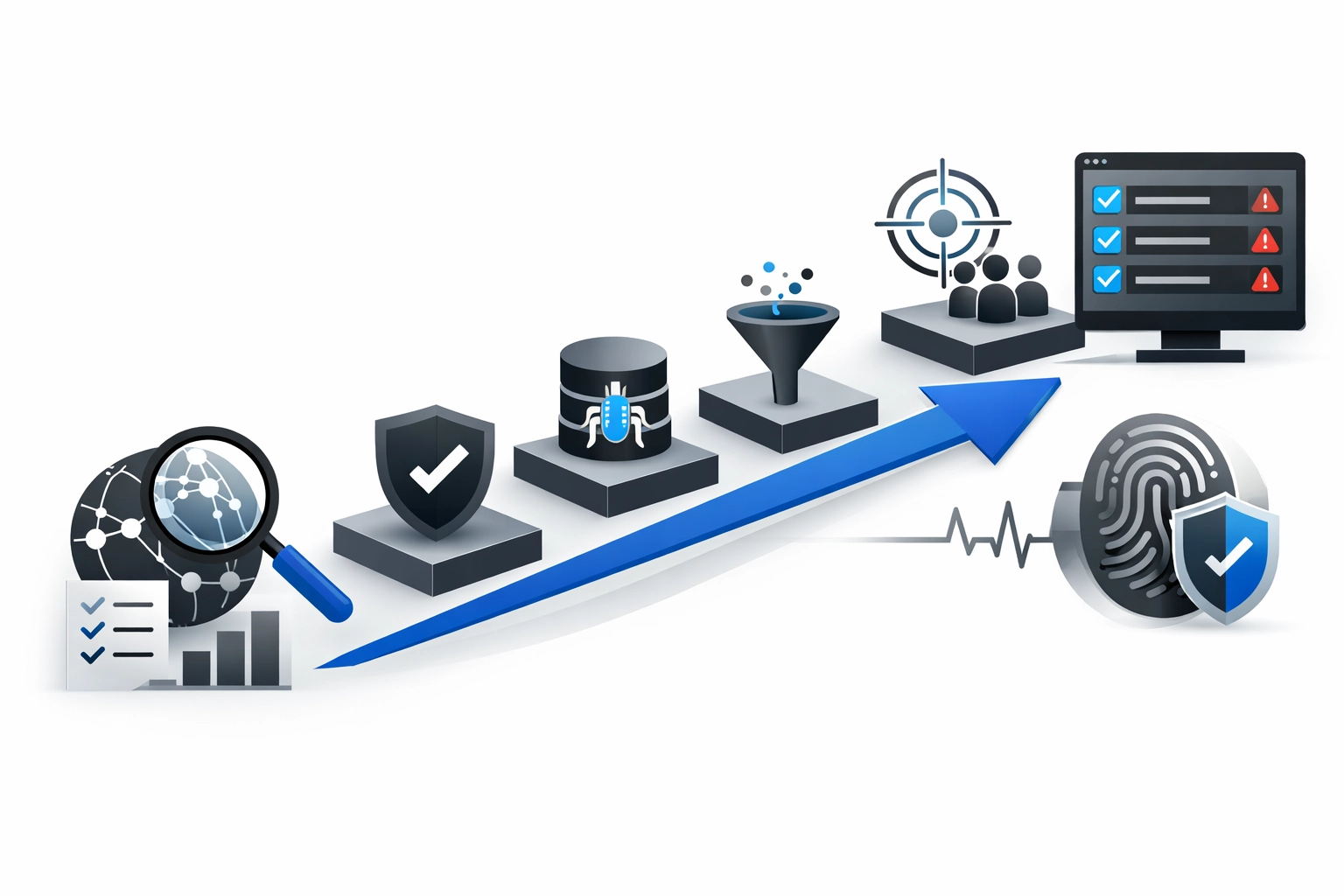
To turn niche TLD inventories into actionable decisions, adopt the MAP framework: Monitor, Assess, Protect. Each phase integrates niche-domain data with governance disciplines to support localization, risk mapping, and portfolio strategy.
- Monitor: Establish a steady feed of niche TLD data, including downloadable lists for extensions such as .vn, .today, and .work. Use a lightweight ingestion pipeline to normalize data fields (domain name, registrant type, registration date, status). Cross-check with the broader domain landscape (e.g., a List of domains by TLDs) and geography-focused inventories (e.g., List of domains by Countries). This phase establishes baseline visibility and ongoing alerting for new or suspicious registrations.
- Assess: For each candidate domain, evaluate brand affinity, risk of impersonation, and localization relevance. Consider regulatory constraints in target markets and the likelihood of customers encountering a misleading URL. Compare RDAP/WHOIS data for freshness and accuracy, and triangulate with other signals like DNS abuse risk indicators. An expert insight: even with RDAP improvements, data quality is not perfect; combine multiple sources and consult governance data to avoid misclassification. (icann.org)
- Protect: Decide on defensive registrations, risk-based monitoring, and incident-response playbooks. Tie decisions to a governance policy that covers rights protections, brand signaling, and localization strategy. When appropriate, integrate a client’s broader portfolio pages — for example, the tld inventory hub or country-specific inventories — to ensure cross-cutting consistency. If you are considering a brand-owned gTLD exploration, consult ICANN’s guidance on benefits and risks to frame a responsible, compliant approach. (newgtlds.icann.org)
A quick toolkit for risk mapping using niche domain lists
Below is a compact toolkit you can adapt to your organization’s scale. It borrows best practices from governance discussions and risk-management frameworks in the domain space.
: Ingest niche TLD data from downloadable lists and normalize fields for cross-comparison with your brand dictionary. Example sources include the broad inventory pages like List of domains by TLDs and country inventories at List of domains by Countries. : Track extraction dates, data sources, and any transformations, so you can audit decisions later. This reduces disputes in governance reviews and supports due diligence during new gTLD consideration rounds. : Assign exposure scores to entries based on similarity to your brand, potential for phishing, and localization relevance. Use a simple rubric (e.g., high/med/low) to keep the workflow scalable. : Define a minimum viable set of defensive registrations per market and extension, with escalation triggers for new, high-risk entries. Reference pricing and procurement options from your internal sources or supplier pages as you scale. For example, review pricing to guide cost models. : Establish a cadence for re-checking lists (monthly or quarterly, depending on market dynamics) and set alerting thresholds for rapid-response actions. : Ensure the risk map aligns with your brand governance policies, legal review processes, and regional marketing goals. If you are exploring a new gTLD strategy, ICANN’s materials provide context for evaluating opportunities and constraints. (newgtlds.icann.org)
Expert insight and common mistakes to avoid
Expert insight: Data quality and provenance matter as much as the data itself. RDAP offers structured data that can scale with automation, but it does not eliminate all inaccuracies. A robust risk map should triangulate multiple signals (RDAP/WHOIS, zone-file insights where available, and independent reputation signals) to minimize false positives and ensure defensible decisions. (icann.org)
Common mistake: Treating downloadable niche lists as a turnkey solution. A list is a starting point for governance, not a complete portfolio strategy. Without a clear mapping to brand names, product lines, and regional campaigns, teams risk over-purchasing domains, wasting budget, or overlooking genuine threats. A disciplined approach combines data hygiene with a clear policy for defensive registrations and ongoing monitoring. ICANN’s evolving stance on new gTLDs reinforces the need for due diligence and Rights Protection Mechanisms (RPMs) to prevent abuse as the namespace grows. (newgtlds.icann.org)
Limitations and practical cautions
Limitations of niche-domain lists include data freshness, completeness, and context. No single source guarantees pristine accuracy, especially when comparing WHOIS versus RDAP data, which can yield discrepancies in dates, registrant details, or nameserver information. This reality is well-documented in recent analyses of registration data and protocol migrations. Always document data provenance and implement cross-checks before acting on automated risk scores. (arxiv.org)
Other cautions relate to the broader regulatory and security landscape. The expansion of gTLDs invites both opportunity and potential abuse — a dynamic that has drawn attention from industry groups and policy bodies. DNS abuse concerns and governance considerations may influence the timing and scope of future gTLD rounds, making proactive risk mapping even more important for brands pursuing expansion. As you plan, maintain awareness of policy signals and industry guidance from credible sources. (home.fairwinds)
Putting it all together: how to embed niche TLD inventories in your governance and localization strategy
The practical value of niche TLD inventories is not in the lists themselves but in how they inform governance-ready localization and risk management processes. A disciplined workflow connects niche data to concrete steps: monitoring registrations, assessing threat levels, and implementing protective measures aligned with brand strategy and local market requirements. This alignment is essential when considering a broader TLD portfolio or potential brand-owned TLDs, where the regulatory and operational burden can be significant. ICANN’s ongoing dialogue around the benefits and risks of new gTLDs reinforces the need for a structured, evidence-based approach — one that treats niche inventories as an operating input rather than a speculative asset. (newgtlds.icann.org)
For teams seeking an actionable workflow, start with a small pilot that uses a handful of niche lists (for example, a .vn list to understand APAC-market exposure and a .today list to gauge consumer-journey risk) and then scale up as governance capabilities mature. Link the pilot to your existing domain data hub — a central place where you can compare supplied lists, your internal brand dictionary, and your localization plans. The goal is a governance-led, scalable process that protects the brand while enabling thoughtful localization and market entry. For teams that want to explore the broader universe beyond the pilot, consider exploring the client’s broader inventory resources such as the dedicated TLD and country inventories, which can be found on the portals listed above. (icann.org)
Real-world touchpoints and where to start
Begin by auditing current assets and potential risk domains in niches that matter most to your strategy. For a tangible starting point, you can look at the following curated resources within the client’s ecosystem to support the MAP framework: - Explore a broad inventory hub at List of domains by TLDs to identify candidate extensions for localization and policy considerations. - Review geography-focused inventories at List of domains by Countries to map regional risk and localization opportunities. - If you need data provenance and domain data access, consult the RDAP and Whois database at RDAP & WHOIS Database for a structured approach to data quality. - For pricing and procurement considerations as you scale, see Pricing.
Conclusion: niche TLD inventories as a strategic governance input
In 2026, the expansion of the domain namespace offers both opportunities and challenges for brands. Niche TLD inventories — when used as part of a structured MAP workflow — can help organizations map risk, plan localization, and establish governance processes that scale with the namespace. The key is to treat downloadable lists as data inputs, not decisions in themselves, and to pair them with robust verification, cross-functional governance, and a clear go-to-market alignment. By translating niche data into a disciplined risk map and a defensible localization plan, brands can navigate the evolving digital landscape with greater confidence and operational clarity. ICANN’s current and emerging policy discussions only reinforce the value of a methodical, data-driven approach to domain strategy in a world of expanding TLDs. (newgtlds.icann.org)